
How to Pick Resistance Exercises for Older Adults
A practical guide to choosing safe, effective strength exercises that improve mobility, confidence, and independence in later life.
The Role of Resistance Training as We Age
Resistance training is one of the most effective ways to maintain strength, mobility, and independence as we age. However, selecting the right exercises for older adults requires a thoughtful and personalised approach. Factors such as current ability, health conditions, and daily functional needs must all be considered to ensure safety and long-term success. This guide outlines how to choose resistance exercises that are both effective and appropriate for older individuals.
Why Resistance Training is Important for Older Adults
Improves muscle strength and joint stability
Reduces risk of falls and injuries
Enhances balance and coordination
Supports independence in daily activities
Helps manage chronic conditions like arthritis
Key Factors to Consider
Current Physical Ability
Understanding strength, balance, and mobility levels helps in selecting safe exercises.
Medical Conditions
Conditions such as arthritis, osteoporosis, or post-surgery recovery must guide exercise selection.
Daily Functional Needs
Exercises should improve real-life activities like walking, standing, and lifting.

Types of Resistance Exercises Suitable for Older Adults
Bodyweight Exercises
Sit-to-stand, wall push-ups, step-ups
Resistance Bands
Low-impact, flexible, and beginner-friendly
Light Weights
Dumbbells or household items for gradual strength building
Functional Training
Movements that mimic daily activities
How to Choose the Right Exercises
Safety Tips to Follow
- Always warm up before exercising
- Avoid sudden or jerky movements
- Use support (chair, wall) if needed
- Stop if pain occurs
- Seek professional guidance when required
Why Home-Based Resistance Training Works Best
Performing resistance exercises at home allows older adults to train in a familiar and comfortable environment. This reduces stress, improves consistency, and ensures exercises are directly relevant to daily routines. Home-based programmes can also be customised to the individual’s living space, making them safer and more practical.
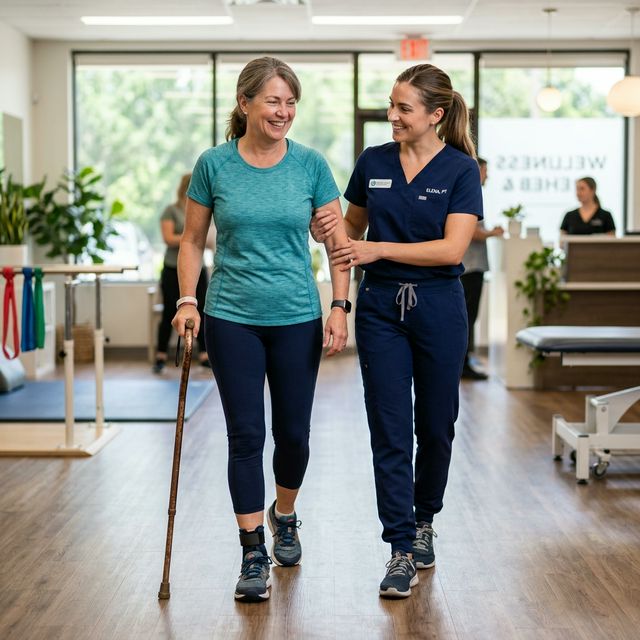
The Importance of Support and Supervision
Caregivers and family members play a crucial role in ensuring safety and consistency. With proper guidance, they can assist with exercises, monitor progress, and provide encouragement throughout the rehabilitation journey.
Common Mistakes
- Choosing exercises that are too advanced
- Ignoring pain signals
- Skipping warm-up or cool-down
- Lack of consistency
- Not consulting a professional
Why Personalised Exercise Plans Matter
Every individual has unique physical abilities, health conditions, and goals. A personalised resistance training plan ensures exercises are safe, effective, and aligned with real-life needs. This approach leads to better outcomes, improved confidence, and long-term independence.
Who Can Benefit from Resistance Training
Older adults recovering from illness or surgery
Individuals with reduced strength or balance
People managing chronic conditions
Anyone looking to maintain independence
Frequently Asked Questions
For most older adults, 2 to 3 sessions per week are recommended. It is important to have at least one rest day between sessions to allow muscles to recover and grow stronger.
It is never too late to start! Research consistently shows that individuals even in their 80s and 90s can significantly improve their muscle mass, bone density, and stability through resistance training.
Yes, resistance training is one of the best ways to manage arthritis. By strengthening the muscles around your joints, you reduce the load and stress on the joints themselves. We ensure every plan is safe for your specific condition.
Final Thoughts
Choosing the right resistance exercises for older adults is about more than building strength—it is about improving quality of life. With the right guidance, a safe environment, and a personalised approach, resistance training can help older individuals stay active, confident, and independent for years to come.
Start Safe Strength Training Today
Speak to our experienced physiotherapy team to receive a personalised resistance training plan tailored to your needs and abilities.