
Contact: 07308 726 369
Physiotherapy plays a crucial role in care homes, supporting the physical and mental health of residents. The provision of physiotherapy services is recognised as a fundamental element in maintaining holistic well-being for individuals living in these environments.
Physiotherapy services are widely acknowledged for their essential contribution to both the physical and psychological health of care home residents. These services support residents by promoting independence, reducing the risk of falls, managing pain, and helping individuals remain active. As a result, the overall quality of life for residents is greatly enhanced, making physiotherapy a vital part of care provision.
Our team of therapists brings a wealth of experience from working in both nursing and residential care settings. This experience ensures a thorough understanding of the unique challenges and limitations faced within care homes, particularly regarding rehabilitation resources. Our therapists are equipped to navigate these pressures, enabling them to deliver effective and responsive physiotherapy services that address the specific needs of each care home environment.
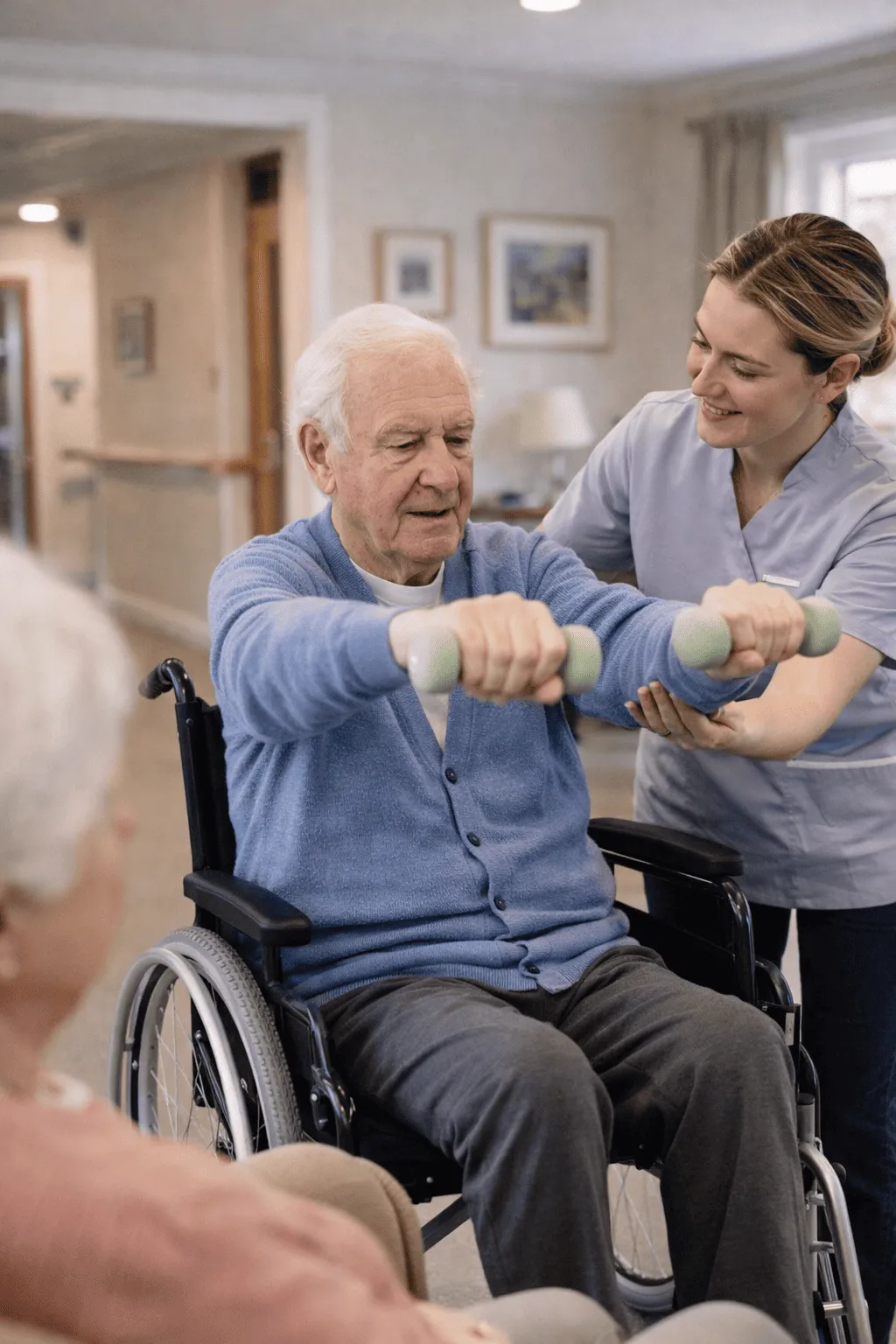
Physiotherapy in care homes is delivered as a tailored rehabilitation service, with interventions designed to address the unique needs of each resident. This includes support for age-related conditions, long-term neurological disorders, and mobility impairments. Our skilled physiotherapists conduct in-person visits, delivering consistent and personalised care that helps residents retain their independence, minimise falls, manage pain, and remain as active as possible within their daily routines.
We prioritise working in partnership with care home staff, general practitioners, families, and multidisciplinary teams to ensure care is both coordinated and tailored to each individual. Whether a resident requires gentle movement exercises, assistance after a fall, post-operative rehabilitation, or ongoing neurological support, our quality physiotherapy services are delivered directly in the comfort and familiarity of the care home environment.
Residents in care homes are typically in their eighties or older, often living with long-term health conditions that impact their daily lives. These ongoing challenges can make every day routines increasingly difficult to manage independently, highlighting the importance of therapeutic support.
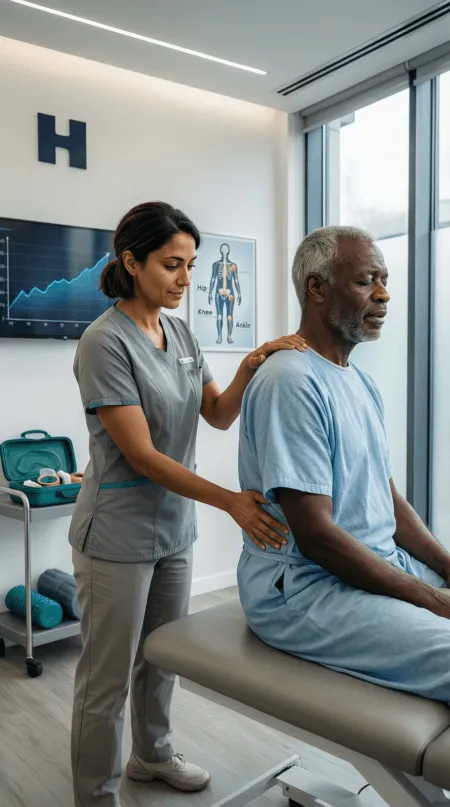
Our therapists are highly skilled in providing practical advice and interventions tailored to each resident’s requirements. Their support is focused on helping residents maintain as much of their normal daily routine as possible, thereby promoting autonomy and dignity.
We recognise that supporting care home residents extends beyond physical care. Many individuals move into care homes following a decline in health or distressing events such as falls or strokes. Adapting to a new and unfamiliar environment can also be mentally challenging and can leave residents vulnerable to feelings of isolation or a lack of stimulation. Our team is prepared to address these emotional and psychological needs, providing holistic support that transcends physical interventions.
For residents, increased independence allows them to perform everyday tasks more easily, regaining a sense of control over their lives. Practical adjustments empower individuals to manage aspects of their daily routines, which not only improves physical health but also supports mental well-being.
For care staff, residents’ increased independence can help reduce their workload, allowing them to focus their attention where it is most needed. Maintaining regular routines and a sense of autonomy is vital in preventing mental health decline, which may result from a lack of meaningful activity or engagement.
The therapeutic input within care homes yields significant benefits for both residents and staff.
Care home staff provide invaluable support by assisting residents with tasks they cannot manage alone. Our Physiotherapists work alongside these dedicated carers to conduct ongoing manual handling reviews and deliver relevant training. This collaborative approach brings about lasting positive change, ensuring a safer and more supportive environment for both residents and staff alike.
We provide a broad range of rehabilitation services designed to support individuals on their recovery journey. Our offerings encompass both generic rehabilitation and a suite of specialist services tailored to meet specific needs.
Support for patients following surgical procedures, aiding in regaining strength and functionality.
Assistance for individuals transitioning from hospital to home, ensuring continuity of care and promoting recovery.
Expert evaluation and intervention for wheelchair users and those requiring riser recliner chairs, to enhance comfort and prevent complications.
Specialist support, including hand splinting, to prevent and manage contractures in those living with neurological conditions or recovering from stroke.
Dedicated service utilising telecare technology to reduce the risk of falls and promote safety.
Ongoing support for individuals living with conditions such as Multiple Sclerosis (MS), Motor Neurone Disease (MND), and Parkinson’s Disease, focusing on maintaining quality of life and independence.
Our service provides both regularly scheduled and ad hoc visits to care homes. This ensures that all residents benefit from timely and appropriate clinical input, regardless of their changing needs or circumstances. During these visits, comprehensive assessments are carried out for each individual. Treatments and interventions are then specifically tailored to address the unique health requirements of every resident. This personalised approach enables the development of bespoke care plans, which are regularly reviewed and adapted as necessary to reflect any changes in condition or preferences. By focusing on individual needs, this service promotes optimal health and well-being among residents within the care home setting. The proactive and responsive nature of the visits supports continuity of care and helps maintain a high standard of quality of life for all individuals.
To support resident safety and minimise the risk of falls, a targeted programme of strength and coordination exercises is implemented. These exercises are designed to enhance muscle power, improve balance, and develop better coordination among residents. By regularly engaging in these activities, residents can maintain or improve their physical abilities, thereby reducing the likelihood of falls. This proactive approach not only contributes to individual safety but also supports greater independence and confidence in daily activities.
Our approach includes assisting residents with walking, whether this is achieved independently or with the use of mobility aids. Support is provided to ensure correct usage of walking aids, tailored to the individual’s specific requirements and abilities. By focusing on safe and effective walking techniques, we help residents to move confidently within their environment. An emphasis is also placed on improving posture through practical guidance and encouragement. Good posture not only supports safer mobility but also contributes to overall well-being and comfort. Through these interventions, residents are empowered to maximise their independence in daily activities, fostering greater self-sufficiency and confidence in their own abilities.
Residents are offered a range of therapeutic techniques and personalised advice aimed at easing musculoskeletal discomfort. These interventions are carefully selected and adapted to address the specific needs of each individual, ensuring effective relief and ongoing comfort. The service includes guidance on simple yet effective strategies that residents can incorporate into their daily routines, helping to manage aches and pains associated with musculoskeletal issues. In addition to hands-on techniques, practical advice is shared with residents to support their overall well-being. This includes recommendations on posture, movement, and gentle exercises that can be performed safely within the care home environment. By empowering residents with knowledge and skills to manage their own comfort, the service contributes to improved physical health and enhances daily quality of life.
Comprehensive education is provided for care staff to ensure the safe handling and transfer of residents. Training focuses on appropriate techniques that prioritise both the well-being of residents and the safety of staff, reducing the risk of injury during movement and transfers. Emphasis is placed on the correct use of equipment and understanding each resident’s individual needs to support safe and comfortable mobility. In addition, care staff receive guidance and support in assisting residents with exercise routines. This includes instruction on best practices for encouraging participation, supervising activities, and adapting exercises as necessary to suit varying abilities. By fostering a knowledgeable and skilled team, the service promotes a safer environment and enhances the effectiveness of exercise programmes within the care home.
Effective care planning is achieved by working closely with care teams, nurses, GPs, and families. This collaborative approach ensures that every aspect of a resident’s health and well-being is considered, allowing for a coordinated and comprehensive plan tailored to individual needs. Regular communication and information sharing between all parties help to maintain consistency in care and swiftly address any changes in a resident’s condition. By involving families alongside healthcare professionals, the service ensures that personal preferences and unique requirements are respected, supporting the best possible outcomes for each resident.
Our physiotherapists possess extensive experience in supporting residents with age-related and neurological conditions within care home environments. Their expertise ensures that each individual receives care tailored to their unique needs, whether managing the effects of ageing or addressing neurological challenges. By drawing on a deep understanding of these conditions, our physiotherapists implement targeted interventions to promote mobility, reduce discomfort, and enhance the overall quality of life for residents. Their approach is sensitive to the complexities that can arise in residential settings, ensuring that therapeutic strategies are safe, effective, and integrated into daily routines.
We offer tailored contracts designed to meet the diverse needs of care homes and their residents. Our services range from one-off physiotherapy assessments, which provide immediate support and recommendations, to regular weekly sessions that ensure ongoing care and progression. This flexibility allows care providers to select the most appropriate level of physiotherapy input for their residents, whether addressing a specific concern or integrating continuous therapy into the care routine.
Rehabilitation conducted within the familiar surroundings of a resident’s care home plays a significant role in reducing stress and enhancing participation. Being in a known environment helps residents feel more at ease, which can alleviate anxiety and promote a positive attitude towards therapeutic activities. This comfort enables individuals to engage more fully in their rehabilitation programmes, leading to better outcomes and a greater willingness to participate in exercises and interventions. Furthermore, the personalised nature of care delivered in the resident’s own environment allows for more effective adaptation of activities to suit individual abilities and preferences. By providing rehabilitation where residents live, care teams can more easily tailor programmes to daily routines and specific needs, ensuring consistency and maximising the benefits of each session.
We actively involve families in the care process, recognising the important role they play in supporting residents’ well-being. By maintaining open lines of communication, we provide regular updates to families, ensuring they remain informed about their loved one’s progress and any changes in their condition. This consistent information sharing helps to reassure families, fosters trust, and strengthens collaborative decision-making between all parties involved in the resident’s care. Through this approach, we uphold a transparent and family-centred environment, supporting the best possible outcomes for each individual.
All treatment provided by our physiotherapists is firmly guided by the National Institute for Health and Care Excellence (NICE) guidelines. This ensures that every intervention is based on the latest evidence and best practice recommendations, maintaining a consistently high standard of care for all residents. Our team recognises the importance of adapting each treatment plan to suit the unique requirements of every individual. Adjustments are made with careful consideration of comfort, safety, and clinical suitability, ensuring that all interventions are both effective and appropriate for the resident’s current condition and circumstances. This personalised approach helps maximise therapeutic benefits while prioritising the well-being and dignity of those in our care.
We partner with some of the most respected care homes throughout the United Kingdom to provide physiotherapy services that are both reliable and of the highest quality. Our collaborative approach ensures that residents receive the best possible support, tailored to their individual needs. Through consistent delivery and attention to detail, we help care homes maintain their commitment to exceptional care, supporting the well-being and rehabilitation of every resident in their trust.
Contact our experienced physiotherapy team today to discuss how we can support your residents with high-quality, tailored rehabilitation services.