
Falls Prevention in Older Adults
Practical strategies and physiotherapy approaches to reduce fall risk, improve balance, and support independent living.
Understanding Falls Prevention
Falls prevention in older adults is a critical area of physiotherapy focused on reducing the risk of falls and supporting safe, independent living. As individuals age, changes in strength, balance, and coordination can increase vulnerability to falls. Through targeted interventions, environmental modifications, and confidence-building strategies, physiotherapy plays a key role in minimising these risks and promoting overall wellbeing.
Why Fall Prevention is Important
Reduces risk of fractures and serious injuries
Helps maintain independence
Prevents hospitalisation and complications
Improves confidence in movement
Enhances overall quality of life
Who Benefits from Fall Prevention
Falls prevention is especially important for:
Individuals Aged 65 and Above
Natural age-related changes heavily impact balance and strength.
Neurological Conditions
People with Parkinson's, MS, or stroke survivors need specific balance retraining.
Surgery or Illness Recovery
Those recovering often experience temporary muscular weakness.
Existing Mobility Issues
Individuals already using aids or identifying balance concerns.
These groups are more susceptible to falls and benefit greatly from targeted physiotherapy interventions.

Impact of Falls
Falls can lead to serious consequences, including fractures, reduced mobility, and a lasting fear of falling again. This fear often results in reduced activity levels, which can further weaken muscles and increase fall risk. Addressing both the physical and psychological impact of falls is essential for long-term recovery and independence.
Our Approach to Fall Prevention
How Physiotherapy Helps
Physiotherapy plays a central role in fall prevention by addressing the underlying causes such as muscle weakness, poor balance, and reduced coordination. Through evidence-based exercise programmes and tailored interventions, physiotherapists help individuals improve stability, enhance mobility, and regain confidence in movement.
Key Components of Effective Fall Prevention
Strength Training
Improves muscle support and stability across major joints.
Balance Exercises
Enhances coordination and reduces physical instability in movement.
Reaction Time Training
Helps the body respond quickly to sudden changes or slips.
Mobility Training
Supports safe walking, functional movement, and confidence building.
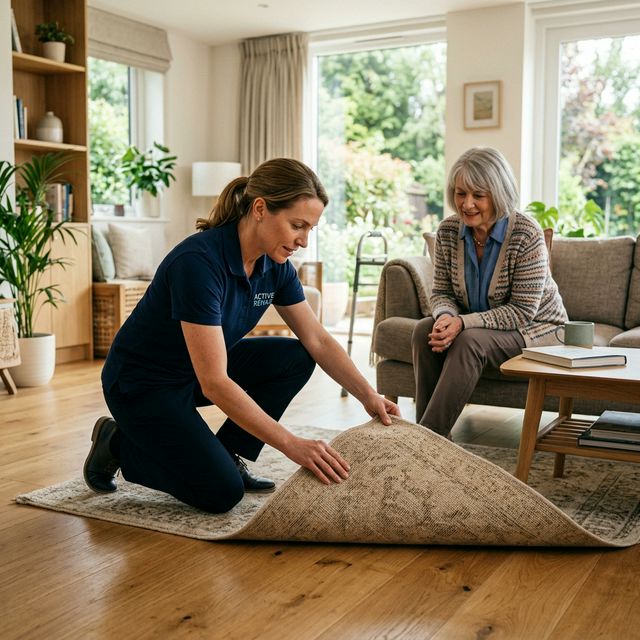
Making Your Home Safer
Small changes in the home environment can significantly reduce fall risk and improve confidence in daily movement.
- Remove loose rugs and clutter
- Improve lighting in all areas
- Install grab rails where needed
- Use non-slip footwear inside
- Ensure walking pathways are clear
Effective Exercise Programmes
Evidence-based programmes specifically proven to aid fall prevention include:
- Strength and balance training routines
- Balance and coordination therapy
- Professional muscle weakness therapy
- Progressive home-based rehabilitation
Consistency and gradual progression are key to achieving long-term benefits and safely rebuilding physical strength.
Overcoming Fear of Falling
Fear of falling is common after an incident and can severely limit daily activity, perpetuating a dangerous cycle of physical deconditioning. Gradual exposure to movement, guided exercises, and professional support help rebuild confidence. By systematically addressing both physical limitations and psychological barriers, individuals can return to their routines with greater assurance and independence.
Support from Caregivers and Family
Caregivers play a vital complementary role in preventing falls by:
- Assisting with prescribed exercises
- Constantly monitoring for safety risks
- Encouraging consistency in routines
- Supporting emotional wellbeing and reducing fear
Education and collaboration ensure safer environments and vastly more effective rehabilitation outcomes.

Common Mistakes
- Ignoring early signs of instability or minor slips
- Avoiding physical activity entirely due to fear of falling
- Failing to properly modify the home environment
- Using incorrect or unprescribed walking aids
- Attempting independent recovery without professional guidance
Why Personalised Care Matters
Every individual has unique needs, health conditions, and living environments. A personalised fall prevention plan ensures that interventions are safe, effective, and tailored to real-life situations. This approach leads to better outcomes, improved confidence, and sustained independence.
Who Can Benefit
Older adults identified at risk of falling
Individuals with reduced mobility
People recovering from recent injuries
Those with chronic health conditions
Anyone wanting to confidently maintain independence
Final Thoughts
Falls prevention is not just about avoiding accidents—it is about enabling older adults to live confidently, safely, and independently. With the right combination of physiotherapy, home adjustments, and ongoing support, the risk of falls can be significantly reduced, allowing individuals to maintain a high quality of life.
Frequently Asked Questions
Common risks include loose rugs, poor lighting, and a lack of grab rails in bathrooms. Our physiotherapists provide comprehensive home safety assessments to identify and resolve these hazards, significantly improving daily safety.
Yes. Clinical research consistently shows that a combination of targeted strength and balance exercises, combined with simple home modifications, can reduce the overall risk of falls by up to 50% for older adults.
Stay calm and assess for any injury before trying to move. Use a 'roll and rise' technique if safe, and always inform a healthcare professional afterward. We help individuals address the root cause of a fall to prevent it from happening again.
Take the First Step Towards Safer Living
Contact our physiotherapy team today to arrange a comprehensive fall risk assessment and receive personalised support tailored to your needs.